
What Goes Wrong with an Ignition Lock Cylinder — and Why It Matters
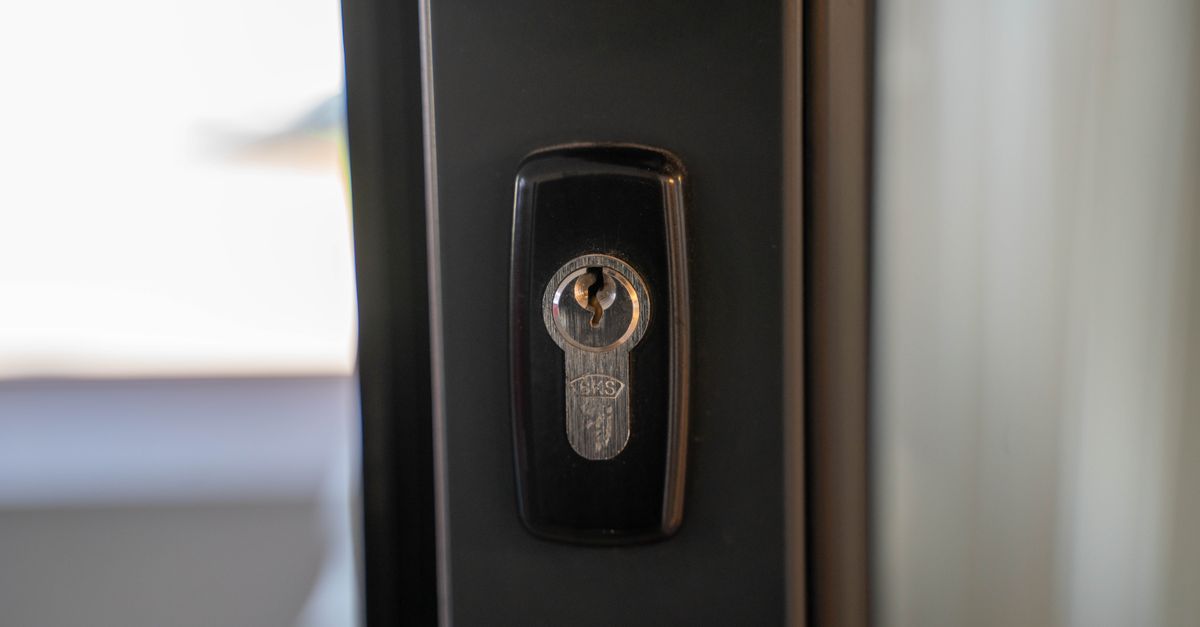
The ignition lock cylinder is the mechanical core that physically accepts your key and allows it to communicate with your vehicle's electrical system. Over time, the internal wafers or pins inside the cylinder wear down, especially on vehicles with high mileage or keys that have seen heavy use. The warning signs often start subtly: a key that requires extra wiggling to turn, occasional stiffness when starting in cold weather — which Emerson winters certainly provide — or a key that turns but fails to trigger the starter. Left unaddressed, worn cylinder internals can leave the key stuck in the 'on' position, strip the cylinder entirely, or cause the ignition to stop responding altogether.
Beyond normal wear, damaged cylinders also result from attempted theft, broken key extraction gone wrong, or the use of incorrect duplicate keys cut slightly off-spec. In any of these scenarios, a trained technician needs to assess whether the cylinder can be repaired and rekeyed or whether a full ignition lock cylinder replacement is the right call. Attempting to force a worn cylinder or use makeshift tools to coax it into turning risks damaging the steering column, the wiring harness, or deeper electrical components — repairs that cost significantly more than addressing the cylinder directly.