What Is a Mortise Lock — and Why Older Emerson Homes Depend on Them
A mortise lock is a self-contained lock body — housing the latch, deadbolt, strike mechanism, and often a privacy or indicator bolt — all within a single metal cartridge that slides into a routed mortise pocket in the door edge. Because the body sits inside the door rather than on its face, the hardware is far more resistant to kick-in and pry attacks than a standard cylindrical set. That's a meaningful advantage on the older solid-wood doors you find throughout Emerson's pre-war and mid-century housing stock, where the doors themselves are frequently thicker and heavier than modern hollow-core replacements.
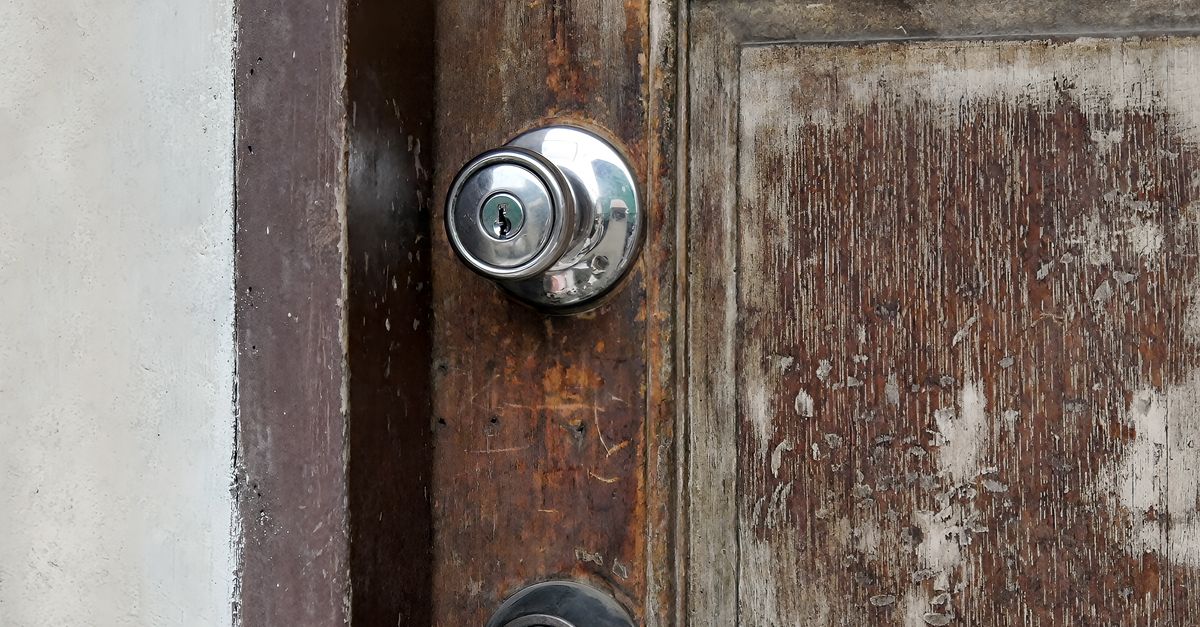
The mortise lock cylinder — the plug that accepts your key and transmits rotation to the internal cam — is a separate component that threads into the lock body from the face of the door. This modular design means a skilled locksmith can re-key or replace just the cylinder without pulling the entire lock body, which saves time and preserves original hardware. However, when the internal components fail — a broken cam, a fatigued spring, a seized bolt — the body itself needs to be disassembled, cleaned, and rebuilt, or replaced with a compatible unit. That's exactly the work our technicians perform every week across Emerson and neighboring Bergen County towns.