Why an Access Control Mortise Lock Is the Commercial Standard
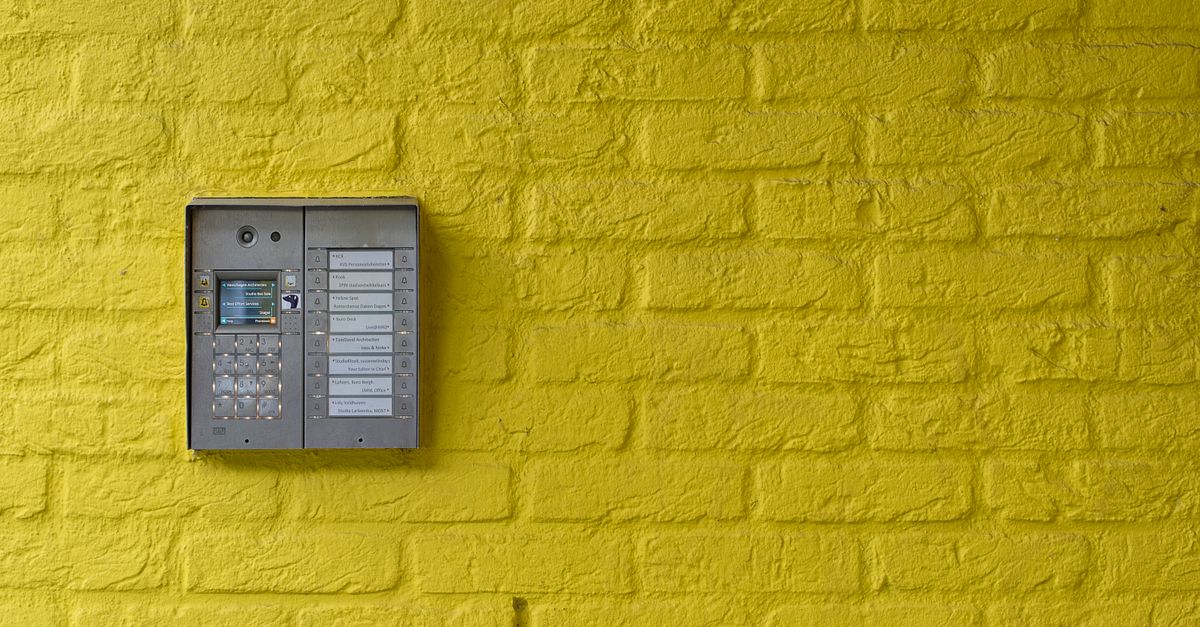
When property owners ask our commercial locksmith team which hardware holds up best under high-traffic, credential-based entry, the answer is almost always an access control mortise lock. Unlike a cylindrical bored lock, a mortise lock body sits inside a deep pocket routed into the door edge, giving it a larger, more robust chassis with room to house the electronics — a solenoid, motor, or clutch assembly — that allow it to communicate with a keypad, card reader, or fob controller. This internal architecture makes it far harder to defeat through shimming or door-gap attacks, and it accommodates the full trim sets that commercial doors in Bergen County office parks and retail corridors typically require.
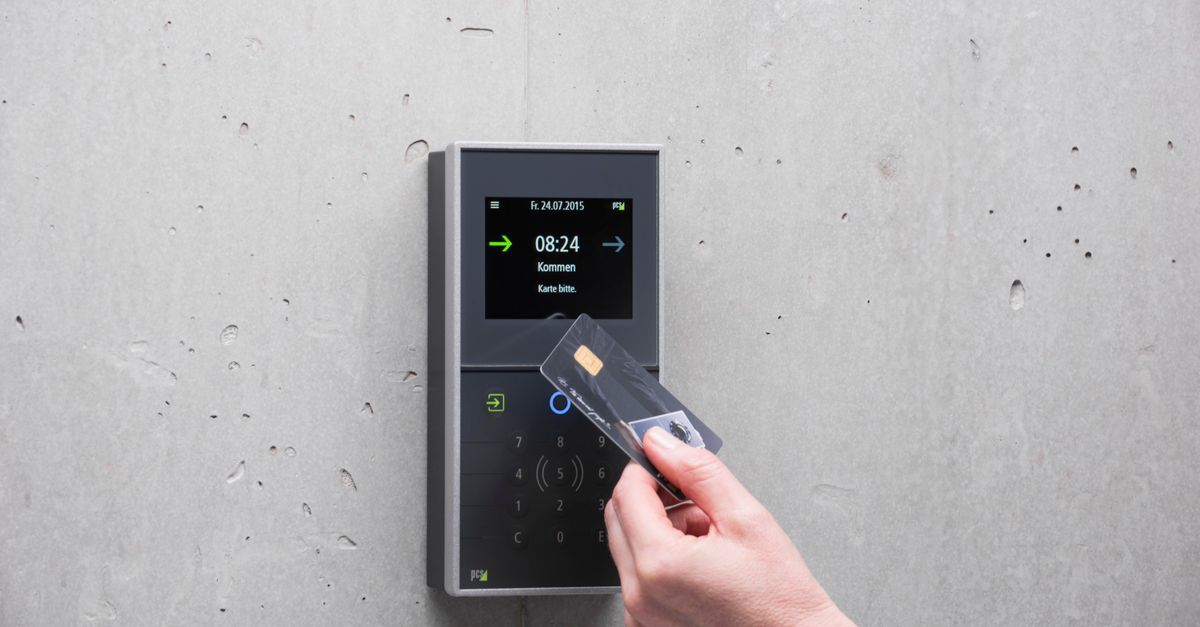
The mortise format also plays nicely with a range of credential types. You can pair the same mortise lock body with a PIN keypad for a simple, cost-effective setup in a back-stock room, or scale up to a multi-factor reader — fob plus PIN — on a server room or pharmacy dispensary. Our technicians work with leading hardware lines including Schlage, Yale, and Alarm Lock to match the correct mortise chassis to your door thickness, handing, and existing cutouts, preserving the door wherever possible and avoiding unnecessary modification.